Airalo eSIM The Honest Guide That Actually Saves You Money on Travel Data
You land at the airport, your phone finds a local tower, and within seconds you have maps, messages, and rideshare apps working again. No SIM card kiosk, no swapping a tiny plastic chip with a paperclip, no overpriced airport data pack. That is the promise of Airalo eSIM, and for millions of travelers it has become the default way to stay connected abroad.
But is it actually worth it, and how does it compare to the growing pile of alternatives like Holafly, Nomad, and Ubigi? This guide walks through everything: how Airalo works, what it costs in 2026, which phones support it, how to install and activate a plan, common problems, and how it stacks up against the competition. No fluff, just what you need before you buy.
What Is Airalo eSIM
Airalo is a digital SIM card marketplace. Instead of buying a physical SIM at a store or airport, you download a data plan directly onto your phone through the Airalo app or website. The company was founded in 2019 by Ahmet Bahadir Ozdemir, Abraham Burak, and Duran Akcaylier, and it grew quickly into one of the most recognized names in the eSIM space.
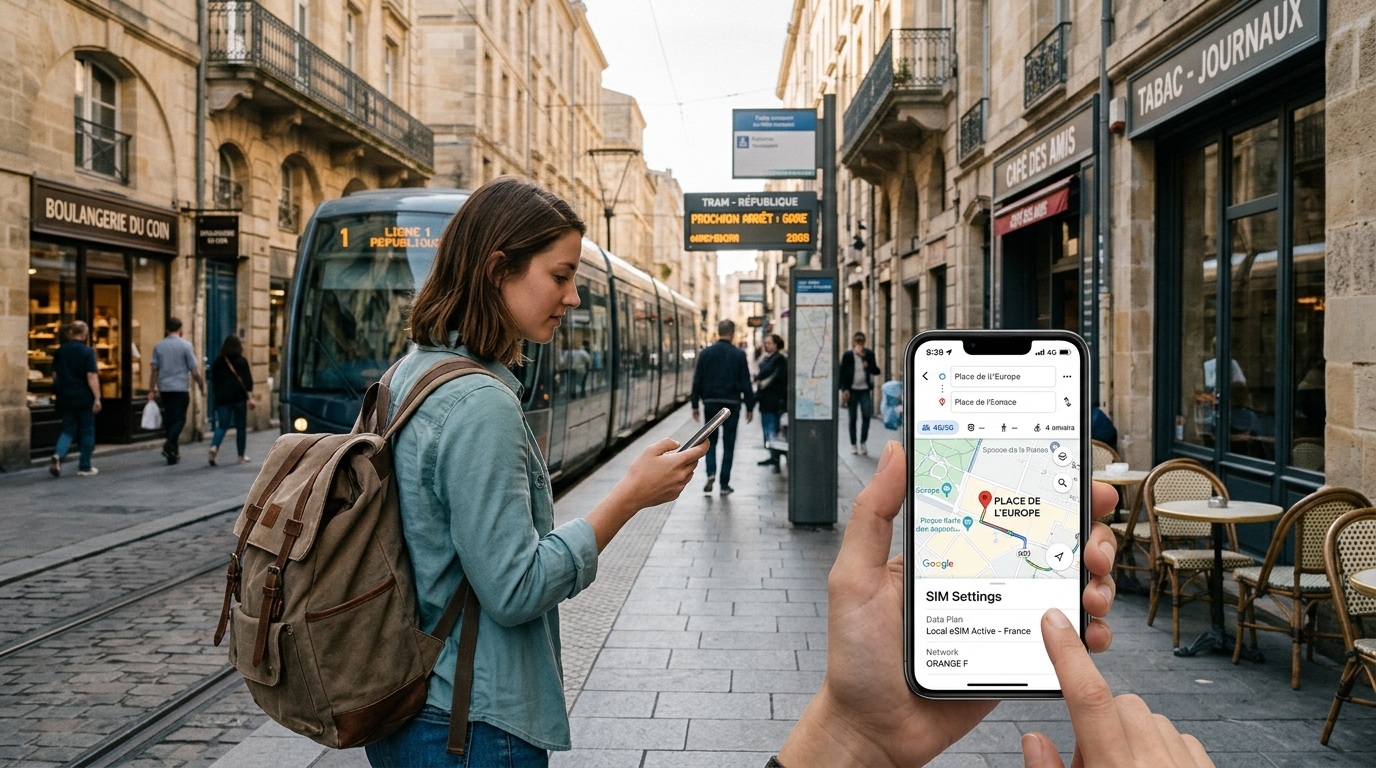
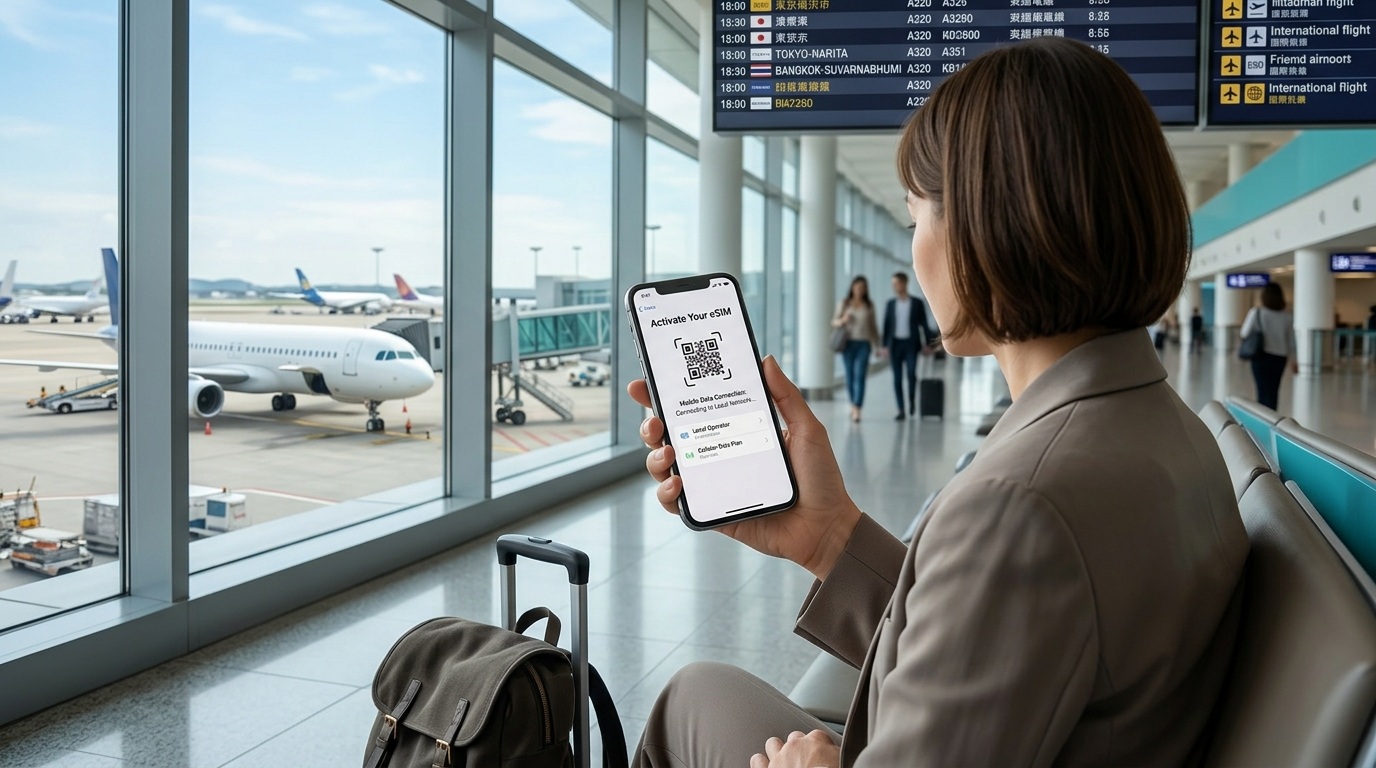
An eSIM, short for embedded SIM, is a small chip already built into your phone. Instead of inserting a physical card, you activate a mobile data plan by scanning a QR code or tapping an install link. The plan then connects to a local mobile network in whichever country you are visiting, using the same cellular towers as a regular local SIM.
Airalo offers three main plan types.
- Local eSIM plans cover a single country, which works well if you are only visiting one place.
- Regional eSIM plans cover a group of countries, such as Europe or Asia, useful for multi-country trips.
- Global eSIM plans cover 80 or more countries on one plan, aimed at people who travel frequently across continents.
Airalo currently supports mobile data in more than 200 countries and regions, which is one of the widest coverage maps in the travel eSIM industry.
How Does Airalo eSIM Work
The technology behind Airalo is fairly simple once you understand the pieces.
When you buy a plan, Airalo sends you a QR code and an activation code by email and inside the app. Your phone stores this as an eSIM profile, separate from your regular phone number. You can install the profile before your trip, then turn it on once you land, so you are not burning data days while still at home.
Airalo eSIM plans are data-only in most countries. That means you get mobile internet, but not a local phone number for calls or texts, unless you choose one of Airalo’s newer plans that specifically include a phone number and voice minutes. Most travelers pair this with apps like WhatsApp or FaceTime for calls, while keeping their home SIM active for texts and phone calls on the side.
This is where dual SIM comes in. Because Airalo runs as an eSIM alongside your existing physical SIM or eSIM, you keep your home number reachable for calls and texts while using Airalo purely for mobile data. Your phone becomes a dual SIM device without you needing to do anything unusual.
Which Phones Support Airalo eSIM
Not every phone can run an eSIM, so it is worth checking before you buy. As of 2026, general compatibility looks like this:
- iPhone: Every model from the iPhone XS onward supports eSIM. Recent US models of the iPhone 14 and later are eSIM-only, with no physical SIM tray at all.
- Samsung Galaxy: Galaxy S20 and newer, along with the Z Fold and Z Flip lines and select A-series models, support eSIM.
- Google Pixel: Pixel 3 and later support eSIM, with Pixel 7 and later allowing two active eSIM profiles at once.
Regional variants matter here. Phones bought in mainland China, for example, often ship with eSIM disabled due to local regulations. Before buying a plan, it is worth checking your phone’s settings for an “Add eSIM” option, or dialing the code that shows your device’s EID number, which confirms the hardware is present.
Airalo eSIM Pricing in 2026
Pricing depends heavily on the destination and how much data you need, but here is a general shape of what to expect this year.
Local plans typically start around 4 to 5 dollars for a small data package, often 1GB valid for 7 days, which suits short trips with light data use. A local 3GB plan valid for 30 days in a popular destination like Spain usually runs somewhere in the 8 to 10 dollar range.
Regional plans, which cover multiple countries in one purchase, tend to sit a bit higher. A 3GB regional Europe plan often lands around 11 dollars, useful if your itinerary hops between several countries in one trip.
Global plans, which cover the widest number of destinations, are the most expensive tier. A 5GB Discover global plan is usually priced somewhere around 30 dollars, while larger global bundles with more data can climb toward 150 dollars or more for heavy, long-term use.
Airalo is entirely prepaid. There are no subscriptions, no auto-renewals, and no surprise charges after your trip ends. You buy exactly the data you plan to use, and if you run out, you can top up the same eSIM directly in the app without buying a new profile.
How to Install and Activate an Airalo eSIM
Setting up an Airalo eSIM takes a few minutes. Here is the general process for most phones.
- Download the Airalo app or visit the Airalo website and create an account.
- Search for your destination country or region and choose a data plan that fits your trip length and data needs.
- Complete the purchase, then open the order details to find your QR code and activation details.
- On an iPhone, go to Settings, then Cellular, then Add eSIM, and scan the QR code.
- On a Samsung phone, go to Settings, then Connections, then SIM Manager, and add the eSIM from there.
- On a Google Pixel, go to Settings, then Network and Internet, then SIMs, and follow the prompt to add a new eSIM.
- Once installed, label the plan for easy identification, and set it as your data line for that trip.
- Turn on data roaming for the new eSIM once you land in your destination, or right before you leave if you prefer everything ready to go.
If the QR code scan fails, most phones allow manual entry using the SM-DP+ address and activation code found in your Airalo confirmation email.
Airalo eSIM Coverage by Region
Airalo’s biggest strength is breadth. It offers plans for the usual major destinations as well as places that smaller providers often skip.
- Airalo USA eSIM and Airalo UK eSIM are among the most searched plans, popular with tourists and business travelers alike.
- Airalo Europe eSIM regional plans cover dozens of countries under one purchase, ideal for a multi-country rail trip.
- Airalo Asia eSIM, Airalo Japan eSIM, and Airalo UAE eSIM are frequently used for travel to some of the world’s busiest tourist hubs.
- Airalo Canada eSIM and Airalo Australia eSIM cover long-haul destinations where roaming charges from home carriers tend to be steep.
- Airalo Turkey eSIM, Airalo Pakistan eSIM, and Airalo Middle East eSIM plans extend into markets that some competitors leave out entirely.
- Airalo Africa eSIM and Airalo Latin America eSIM round out coverage in regions where a reliable local data option can otherwise be hard to find.
For travelers piecing together a long, multi-continent trip, checking whether a country falls under a local plan, a regional plan, or only the global tier can meaningfully change the total cost.
Airalo vs Holafly vs Nomad vs Ubigi
Airalo is not the only name in this space, and the right choice depends on your travel style.
Airalo vs Holafly. Holafly focuses on unlimited data plans priced by number of days rather than gigabytes, which suits short trips where you want to stop thinking about data caps entirely. Airalo instead sells fixed data amounts, which usually works out cheaper for travelers who do not stream video constantly. Holafly’s unlimited plans also apply a fair use policy, throttling speed after a daily threshold, so unlimited does not always mean unrestricted at full speed.
Airalo vs Nomad. Nomad and Airalo are close competitors with similar plan structures. Nomad tends to undercut Airalo at the mid-volume tier, around 10GB to 20GB for 30 days, while Airalo’s entry-level short plans are sometimes a touch cheaper. Neither is a clear winner across every destination, so it pays to compare the exact country and data size on the day you are buying, since pricing shifts often.
Airalo vs Ubigi. Ubigi is smaller but well regarded for business travelers, particularly for its consistent quality on high-data plans and its support for certain laptops and tablets in addition to phones. Airalo generally wins on sheer country coverage and brand recognition, while Ubigi appeals to a narrower, more technical crowd.
In practice, Airalo tends to be the safe default recommendation across online communities, largely because of its coverage and long track record, while Holafly wins for travelers who genuinely want unlimited data, and Nomad wins on price for certain regions and data tiers.
Common Mistakes to Avoid With Airalo eSIM
A few small errors account for most of the frustration people report with any travel eSIM, not just Airalo.
- Buying the plan too early and letting it expire. Most plans start their validity countdown from the moment of activation, but some start from the date of purchase. Check which type you are buying before you pay.
- Forgetting to enable data roaming. After installing the eSIM, you still need to turn on roaming for that specific profile, or your phone will not connect to any network.
- Not setting the correct data line. If your phone still defaults to your home SIM for data, you may burn through expensive home carrier roaming instead of your Airalo plan.
- Assuming a data-only plan includes calls. Most Airalo plans are data-only. If you need to make phone calls, use an app like WhatsApp, or choose a plan with the phone number add-on if one is offered for your destination.
- Skipping the compatibility check. Not every unlocked phone supports eSIM, and some carrier-locked phones block third-party eSIM profiles even if the hardware technically supports it.
Is Airalo eSIM Safe
Airalo works on the same underlying eSIM technology used by major carriers worldwide, and it connects you to established local networks rather than running its own separate infrastructure. That makes the core technology as safe as using a normal SIM card.
The more practical safety advice involves how you pay. Some users have reported account login issues over the years, so using a payment method like Apple Pay or Google Pay instead of manually storing a card number is a reasonable extra precaution. As with any account, using a strong, unique password also reduces risk.
Frequently Asked Questions
How does Airalo eSIM work?
You buy a data plan through the Airalo app, install the eSIM profile using a QR code, then connect to a local network at your destination, all without a physical SIM card.
Is Airalo eSIM worth it?
For most travelers on a standard trip, yes. It usually costs far less than carrier roaming passes and saves the hassle of finding a local SIM card after landing.
Does Airalo work internationally?
Yes, Airalo offers plans in more than 200 countries and regions, including local, regional, and global options.
How much does Airalo eSIM cost?
Prices generally range from about 4 dollars for a small local plan to over 150 dollars for large global bundles, depending on data amount and coverage.
Can I use Airalo without WiFi?
Yes, once installed and activated, an Airalo eSIM connects to a local cellular network directly, without needing WiFi.
How do I top up an Airalo eSIM?
Open the app, go to your existing eSIM, and select the top up option to add more data to the same profile without reinstalling anything.
How do I check my Airalo data balance?
The Airalo app shows remaining data and plan expiration directly on the home screen for each active eSIM.
What if my Airalo eSIM is not working?
Confirm data roaming is enabled for that specific eSIM profile, check that it is set as your active data line, and restart your phone. If the issue continues, Airalo’s in-app support chat can help troubleshoot.
Final Thoughts
Airalo eSIM has become one of the go-to tools for modern travel for a simple reason. It removes the friction of finding a local SIM card while usually costing less than carrier roaming. It is not the cheapest option in every single country, and its data-only structure means you will likely pair it with an app for calls, but for coverage, ease of setup, and overall reliability, it remains one of the strongest choices in the travel eSIM market in 2026.